Mum, would you rather be able to use your arms or your legs?
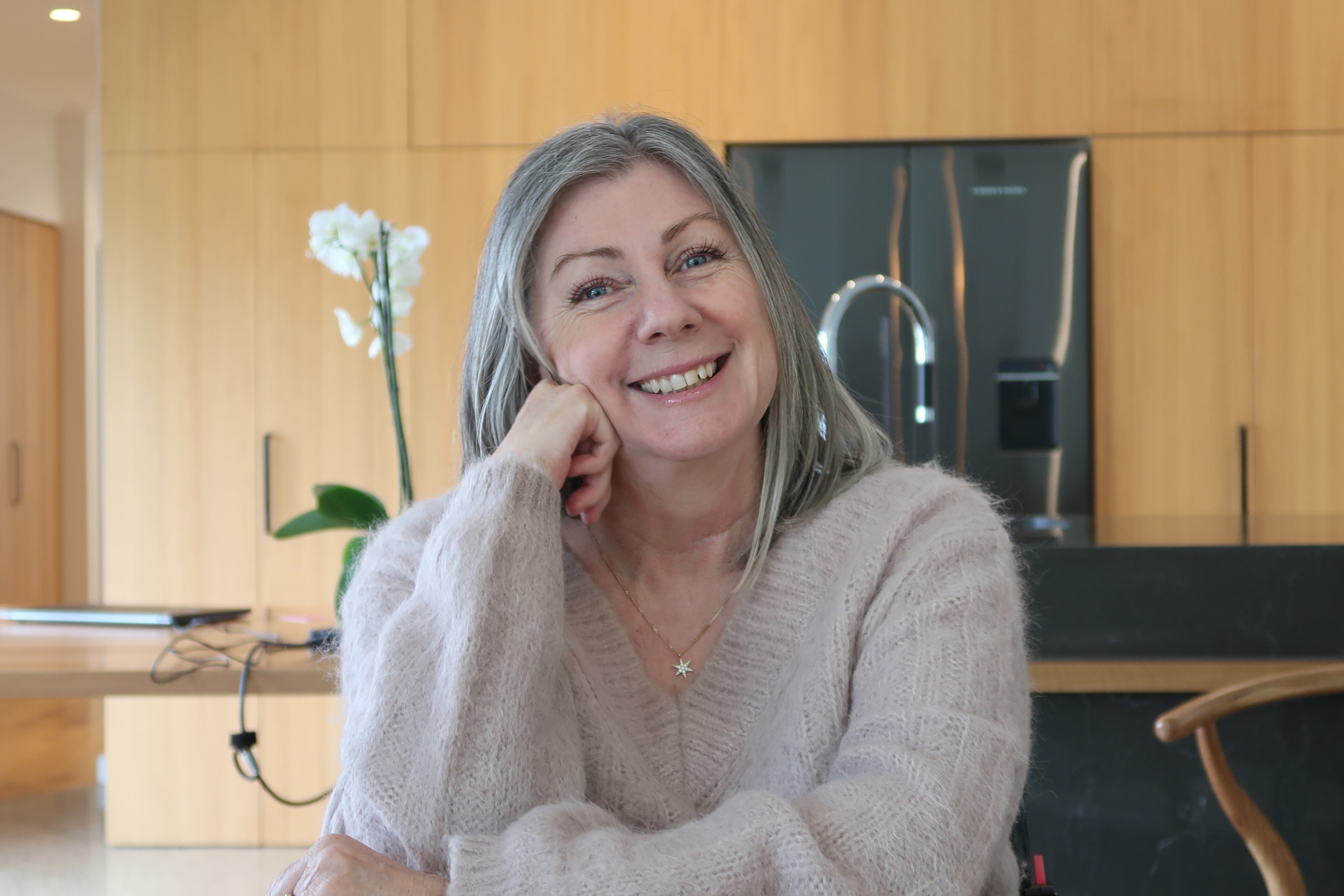
Amanda’s home is calm. It’s sun-drenched, private and peaceful. It’s a warm, welcoming, family home. You might notice the ample space and clean, uncluttered surfaces. It’s stylish, yes, but more significantly, it’s accessible. It’s a home designed for a Mum in a wheelchair.
Having a spinal cord injury is one thing. Raising your children after a spinal cord injury is another level of challenge.
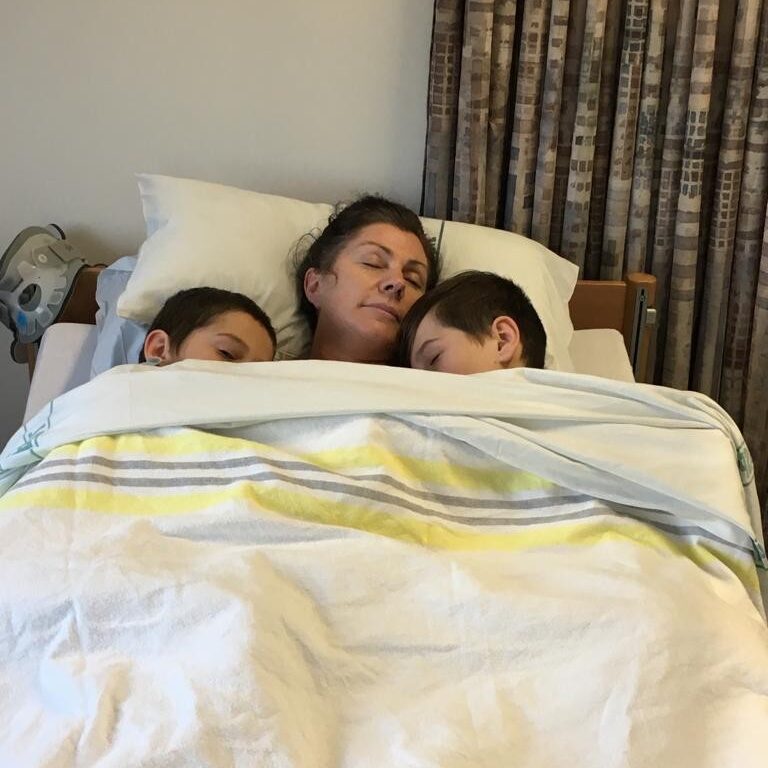
Amanda’s sons, Charlie and Darcy, were just 7 and 9 years old when she broke her neck. It’s such a busy and important age for boys. For Amanda, the impact of her injury on her children has been one of the hardest things to deal with.
She recalls lying prone in her hospital bed. She called her dad over and asked him to lift her arms. And to place them around her sons, so she could give them a hug.
Her eyes fill with tears.
“Mum, would you rather be able to use your arms or your legs?”
She’s interrupted by the sound of the front door opening. Charlie, her youngest son, bursts in. He’s a bundle of teenage energy. He yells a hello from the doorway, dumps his bag in his room, and detours back to where we sit at the dining table. Already tall, he bends to give his mum a quick hug and kiss her on her cheek. He’s polite, happy and clearly loves his mum to pieces.
I’m a Mum, a wife, a friend and a daughter.
Spinal cord Injury doesn’t have to be a life sentence. Your donation can help find a cure faster.
In my conversation with Amanda, she emphasises time and again how grateful she is for her fabulous husband, and her incredible, supportive family and friends. She acknowledges that’s not the situation for everyone. That’s why participating in our research, whether she gains from it personally or not, is important to her. It’s a way to give back, to help drive for a cure.
After a spinal cord injury, it takes a village to get through the day, let alone to raise children. Likewise, it will take us all, working together, to find a cure. Thank you for being part of our village.
Make a difference, today.
Thank you.