
Research Areas
By combining expertise across disciplines, the Cure Programme is building the foundations for treatments that are more effective, more targeted, and more likely to translate into real-world outcomes.
The CatWalk Cure Programme his made up of five research strands that all work towards a cure – a world free from the effects of spinal cord injury.
Jump to strand:
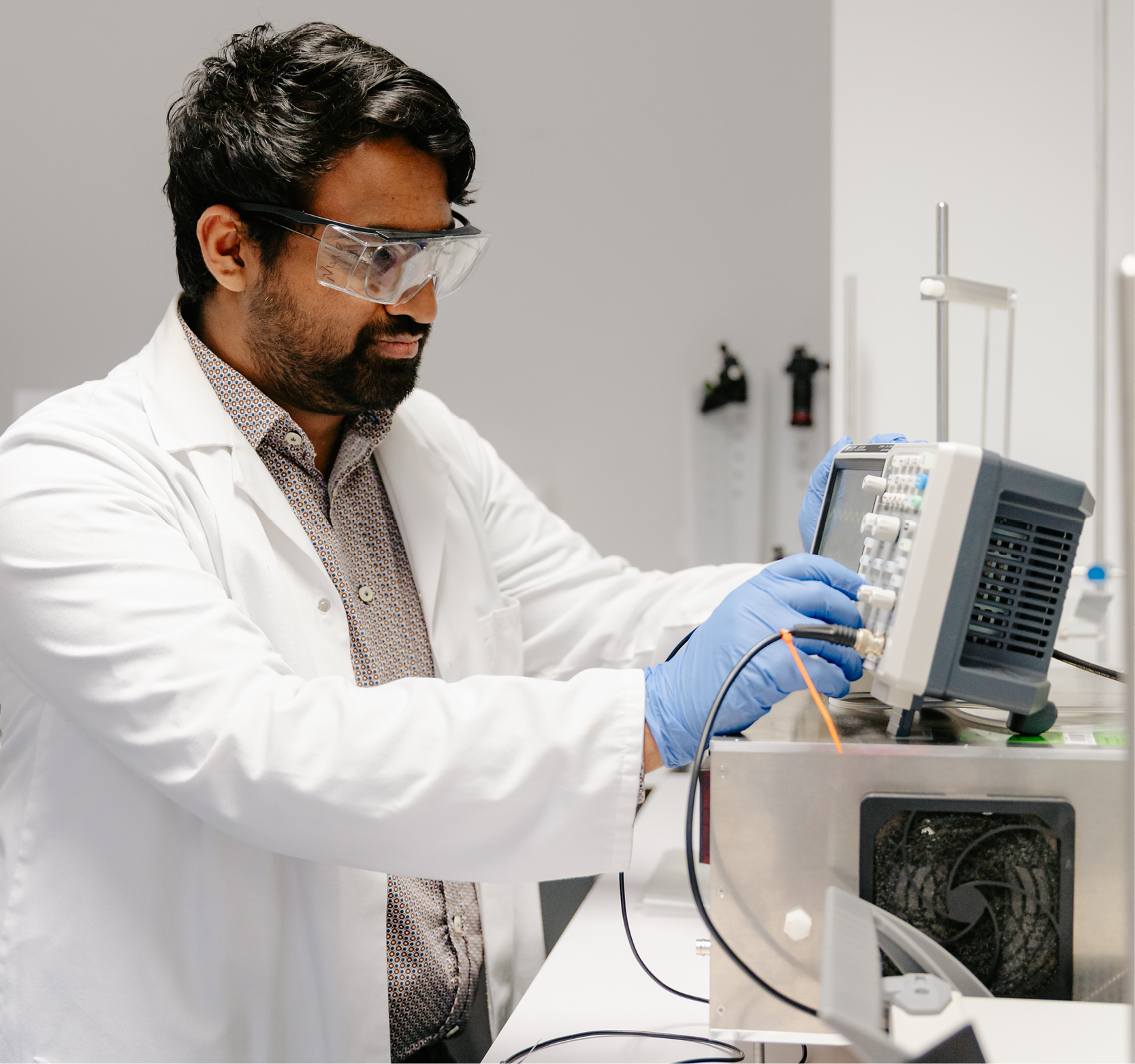
Strand One: Electroceutical Therapies
Part One: Bioelectronic Implant
Why
Electric Field treatment is one of the few therapies shown to improve functional outcomes after an injury. It stimulates neural regeneration and provides directional cues to guide axon regrowth across an injury. However, to date, this has not been able to be administered safely and effectively to the spinal cord.
What
Cure Programme Researchers, led by Dr Bruce Harland and Prof. Maria Asplund, have developed an ultra-thin bioelectronic implant supplying electrical signals directly to the spinal cord injury site, to guide and stimulate nerve repair. In a world first, they have shown this implant can be inserted and maintained for months in a freely moving rodent, improving functional outcomes after an injury.
Treatment using the implant can be combined with other therapies (refer to following research strands). Once rodent trials have been completed, the focus will shift to translating the technology into a medical device suitable for humans.
Professor Maria Asplund and her colleagues at Chalmers University of Technology, Sweden, are integral team members in the implant development and testing.
Goal
Delivery of controlled electrical signals that stimulate neurons, guide axon regrowth and promote reconnection of neural circuits—restoring movement and sensation.
In partnership with: Spinal Cord Injury Research Program, CDMRP, USA; Health Research Council Hercus Fellowship, NZ.
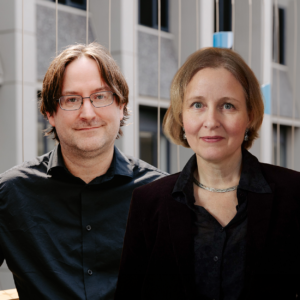
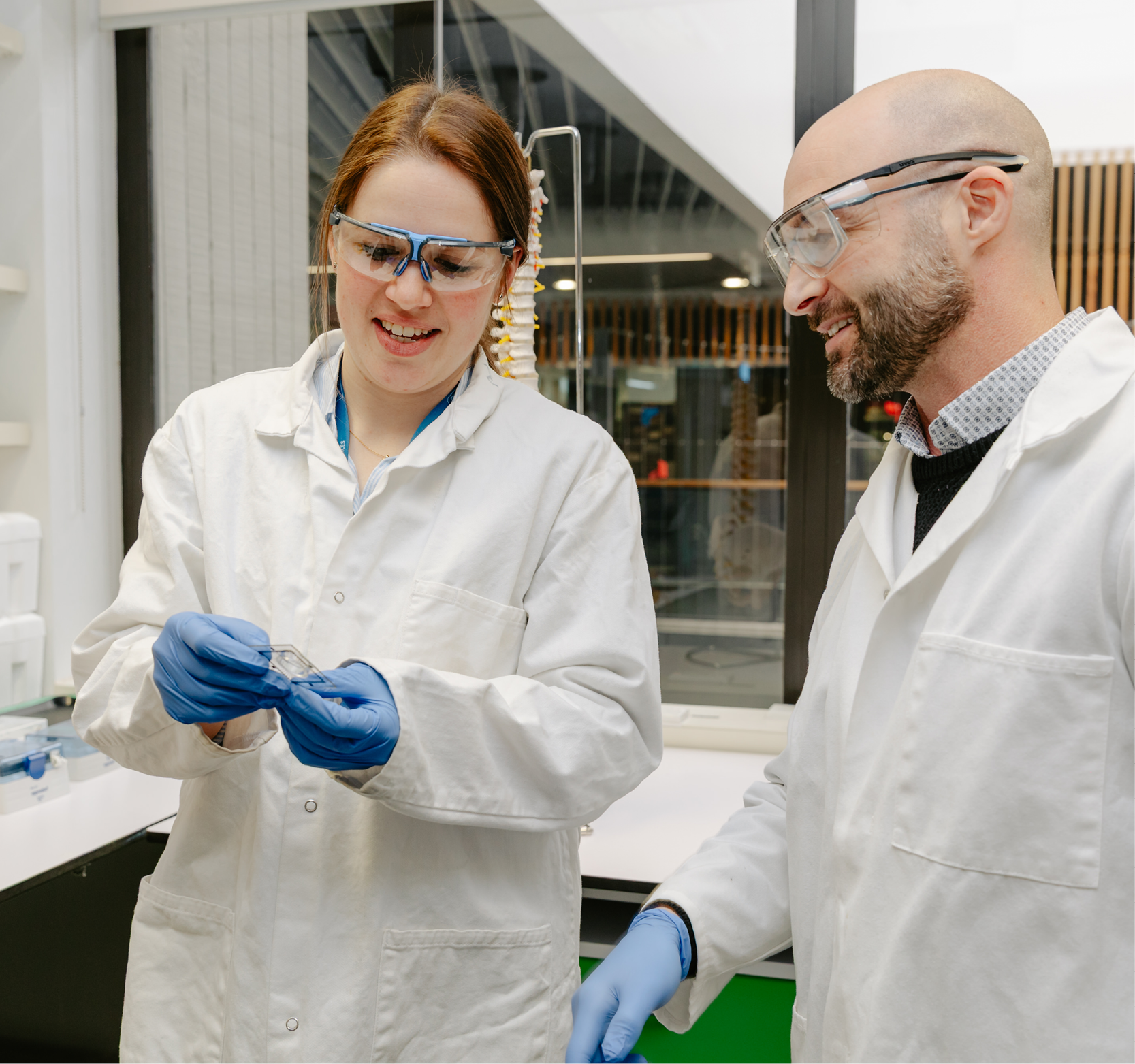
Dr Bruce Harland and
Prof. Maria Asplund
Part Two: Electrical Biomarkers
Why
Current diagnosis tools examine the outcome of an injury (e.g. paralysis) but can’t see injured nerves. Specific nerves can’t be identified, nor can we tell precisely what those nerves control, the severity of damage to them, or the likelihood of recovery. As a result, diagnosis is limited and prognosis is inaccurate.
What
Dr Brad Raos is ‘listening’ to electrical biomarkers. He is working to monitor and decode the spinal cord’s electrical signals. These specific patterns of electrical signals can indicate how severe an injury is. They can be used to guide therapy design, personalise treatments, identify nerve recovery and ensure that nerve regeneration leads to real functional recovery.
Goal
An electrical fingerprint of spinal cord function and healing. This visualisation will map nerve damage and provide a more accurate diagnosis and prognosis, leading to personalised therapies tailored to the individual.
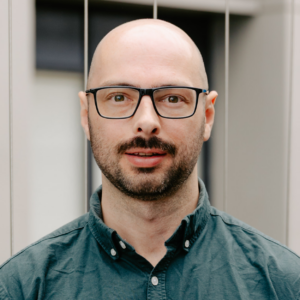
Dr Brad Raos
Strand Two: Pharmaceutical Therapies
Why
Administering medicines to the spinal cord is both difficult and dangerous, even more so when those medicines need to be delivered in precise dosages and at specific times. Nerve regeneration often takes weeks to months, and cells need sustained drug exposure for continuous healing. Current medicines are largely delivered via the bloodstream and fail to reach the injury site effectively. This is a critical bottleneck in spinal cord injury treatment.
What
Dr Mahima Bansal is designing polymer-based drug delivery systems (hydrogels and microparticles) and working with other Cure Programme researchers to create controlled drug release mechanisms (e.g. electrical and ultrasound triggers). She is also exploring ways to stabilise delicate biologics, like growth factors, so they can be used safely and effectively in the body.
Goal
The design of stable, manufacturable, clinically suitable drug formulations that can be delivered directly to the injury site and released in a controlled manner. This will create and maintain an optimal environment for nerve regeneration and reduce the inhibitory effects of scarring. This work will significantly improve the conditions for nerve regeneration.
In partnership with: Value of Medicines Jump Start Award, Medicines New Zealand.
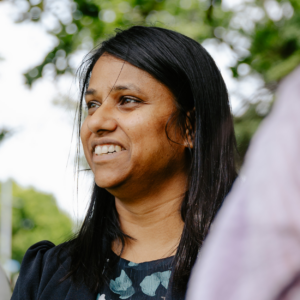
Dr Mahima Bansal
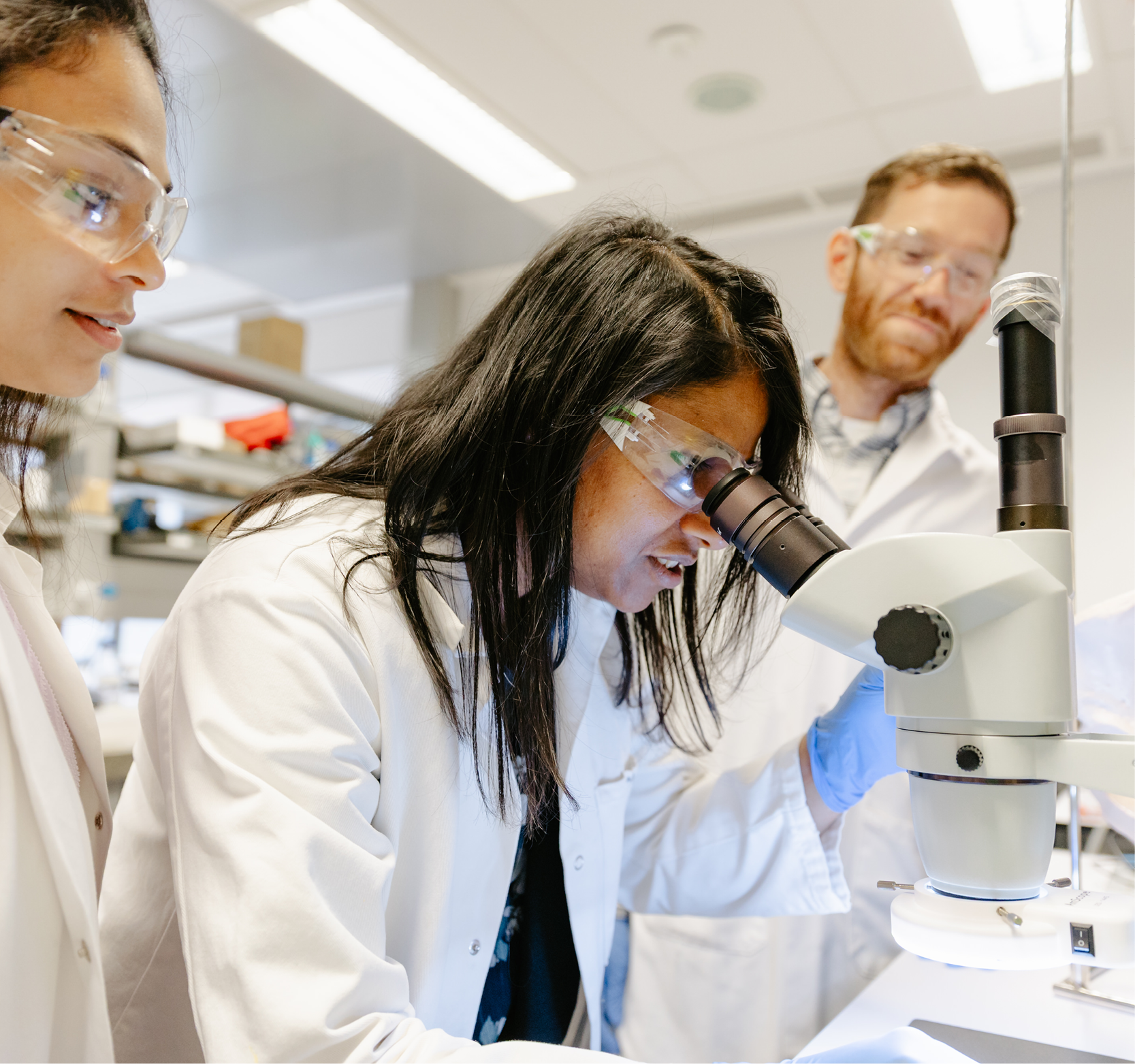
Strand Three: Ultrasound Therapies
Why
The spinal cord is difficult to access, and treatments (current and proposed) are often highly invasive. Therapies requiring surgery are traumatic, and add risks of further damage.
What
Dr Sachin Thakur is using ultrasound to accelerate healing. He is exploring the use of sound waves to stimulate cells, change the local environment and enhance biological repair processes – a therapy in its own right.
In addition, Dr Thakur is working with other Cure Programme researchers to manipulate ultrasound as a trigger to control the release of drug-loaded hydrogels.
Goal
The use of targeted sound-wave stimulation to reduce inflammation, protect nerve cells, enhance the delivery of growth factors, and promote nerve regeneration – leading to improved functional recovery.
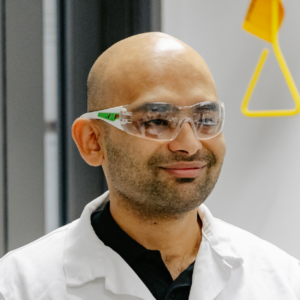
Dr Sachin Thakur
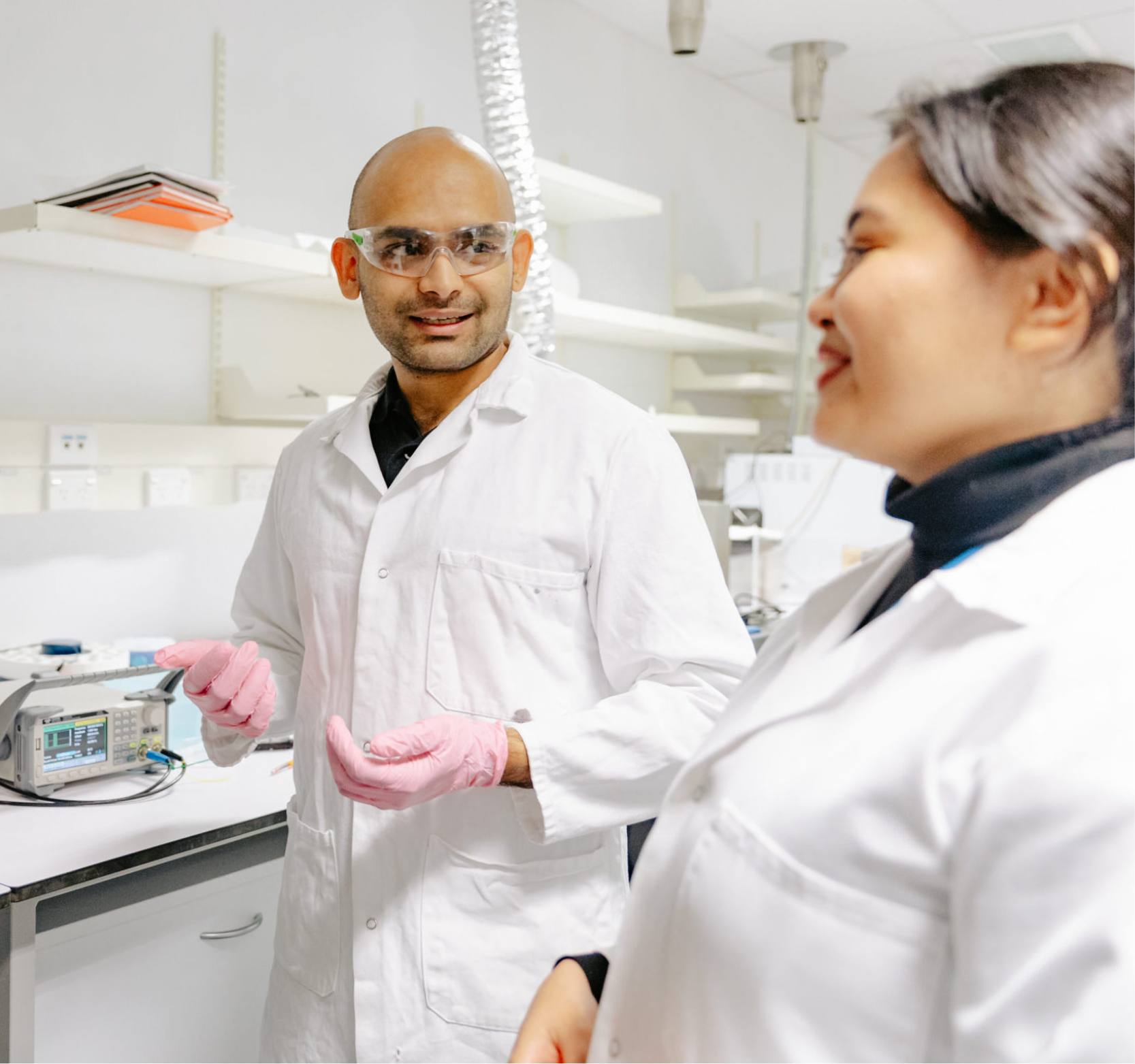
Strand Four: Cell-based Therapies
Why
In a spinal cord injury, nerve fibres (axons) are damaged or broken. Often, surviving axons will lose their myelin coating, the insulation that surrounds them. Without myelin, nerve signals become slow and weak or may be completely blocked.
What
Dr Amy McCaughey-Chapman is reprogramming skin cells to create oligodendrocyte precursor cells, which mature into oligodendrocytes and rebuild the myelin sheath around axons. This aids existing cells and also supplies fresh, functional cells that actively repair nerves.
Dr McCaughey-Chapman’s patented technology, alongside 3D modelling, allows researchers to effectively test drugs and cell therapies that enhance remyelination and identify barriers (like inflammation or inhibitory signals). This is a significant research breakthrough.
Goal
The restoration of myelin around surviving axons will restore signal transmission, protect axons from further degeneration and improve the overall regenerative environment. This will result in functional recovery, utilising the patient’s own skin cells in a personalised therapy.
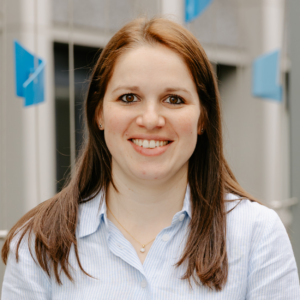
Dr Amy McCaughey-Chapman
Strand Five: Translational Neurobiology
Why
Adult neurons lose their ability to regrow axons as they mature. Certain molecules actively inhibit axon regrowth after an injury. The human nervous system, especially the spinal cord, doesn’t recover naturally.
We don’t currently understand the molecular and cellular mechanisms that block regeneration. Without understanding the system, experimental therapies may fail.
What
Dr Jarred Griffin’s research spans multiple levels: molecular, cellular, neural circuitry, and behavioural. He takes a combinational approach to investigate and overcome the biological barriers to nerve regeneration. He is seeking to enhance neuroplasticity by combining therapies with rehabilitation to ensure that new neural connections form and function effectively.
Goal
Improved understanding to help visualise new connections forming in living tissue and understand why treatments work, leading to improved combined therapies. This work translates discoveries made in the lab into real-world patient outcomes.
In partnership with Wings for Life, Salzburg; NovaGo Therapeutics, Switzerland; DZNE, Germany; and Hanover University of Veterinary Medicine.
Dr Jarred Griffin
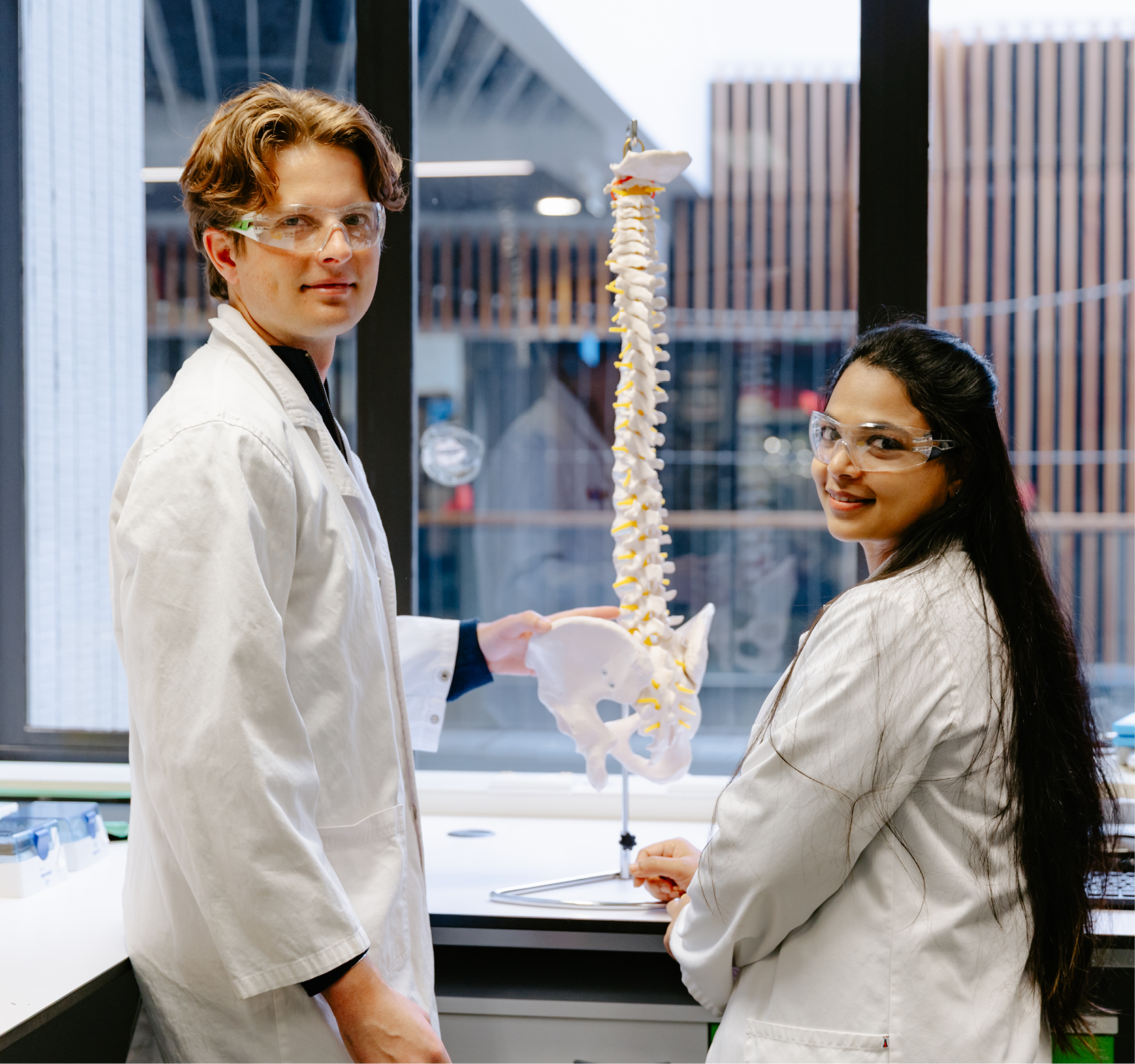
Across the Cure Programme
Surgery
Why
The spinal cord is extremely delicate – even more so in small lab animals. Surgical treatments need to be placed consistently, precisely and with as little additional damage as possible.
What
Dr Lopez enables the delivery of treatments. He provides the bridge between lab research and real-world outcomes.
In addition, his research on bladder control (in partnership with Neurological Foundation, NZ) allows Cure Programme therapies to be monitored for functionality prioritised by those with lived experience.
Goal
Enabling treatments and ensuring they don’t just work in theory — they restore real body function.
Dr Salvador Lopez
Cell modelling
Why
Testing in humans or animals is often slow and expensive, and sometimes unsafe.
What
Dr Simon Kellaway builds controlled lab models of injured tissue. He creates realistic miniature-injury systems in the lab to test how drugs and other treatments help nerves regrow.
Goal
This speeds up the discovery of effective therapies.
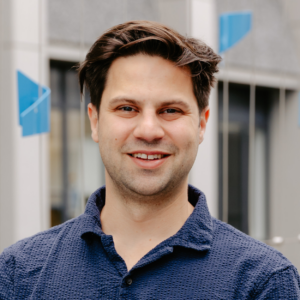
Dr Simon Kellaway