Research Progress
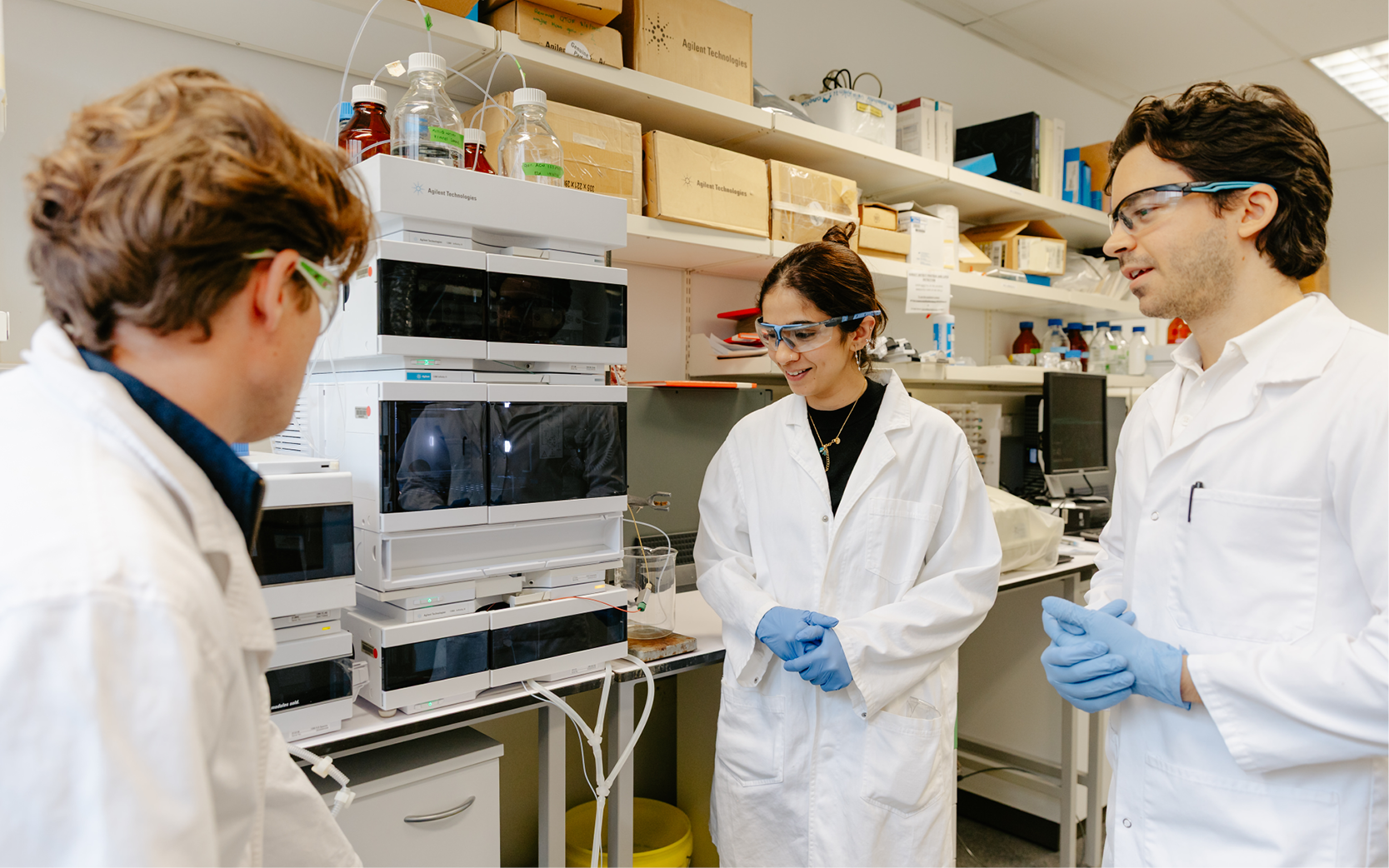
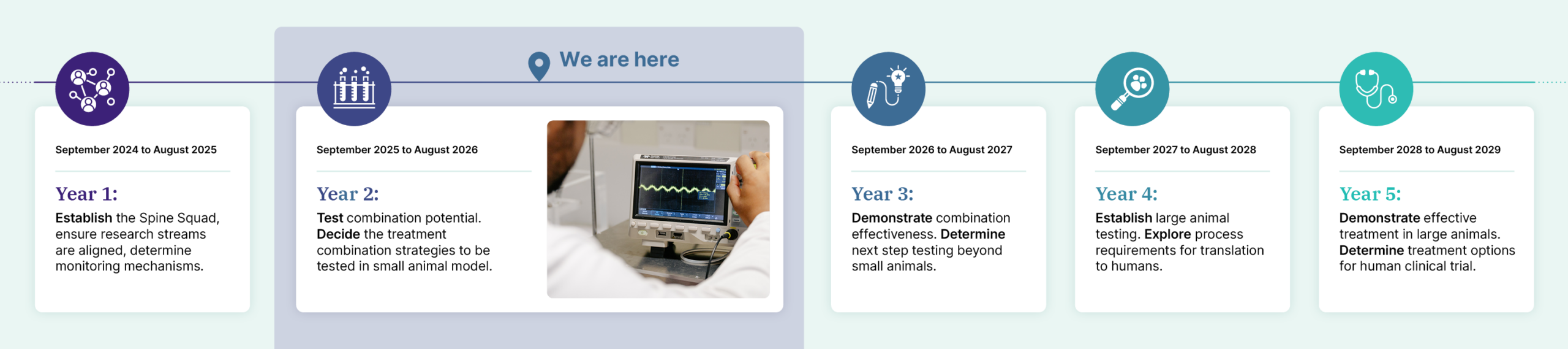
The CatWalk Cure Programme met its FY26 milestones and is on track to meet its long-term goals.
The Cure Programme has continued to grow. In FY26 we introduced a fifth research strand, Translational Neurobiology, led by Dr Jarred Griffin. In FY27, we will build on this momentum, further advancing our combinational approach with the goal of achieving meaningful translational breakthroughs
Prof. Maria Asplund and colleagues at Chalmers University of Technology in Sweden continued to contribute their world-leading neurotechnologies to the Programme. Early in 2026, two team members travelled to attend the Spinal Cord Injury Symposium and to collaborate directly with the Auckland-based research team.
The 2026 Spinal Cord Injury Symposium (Talk the Walk), held in February, was once again well attended and strengthened connections with Australian colleagues. New collaborations with researchers across several Australian universities were established, with additional partnership opportunities currently under consideration.
Cure Programme researchers maintained a high level of collaboration and knowledge exchange with peers worldwide. They participated in prestigious international conferences and contributed to multiple global research initiatives. Dr Bruce Harland travelled to China as part of a New Zealand Government delegation, building relationships in a country experiencing rapid growth in spinal cord injury research. The programme also continued to prioritise open-access dissemination, with multiple publications in respected, peer-reviewed journals.
FY26 also saw increased interest from funding partners, with the programme securing an additional $2 million from national and international sources. The Cure Programme’s multidisciplinary team and its focus on combinational therapies are generating significant global interest. Ahead, FY27 will be a period of both acceleration and strategic partnership development, as we work to advance effective therapies and move closer to our goal of restoring movement, function, and sensation after spinal cord injury.
Cure Programme Strategy

Electroceutical Therapies
- Improved the mechanical stability of bioelectronic implants alongside new surgical techniques, allowing implants to maintain position relative to the spinal cord and resist the strain applied to them while implanted in the body.
- Started investigating the biological mechanisms that link electric field stimulation to recovery.
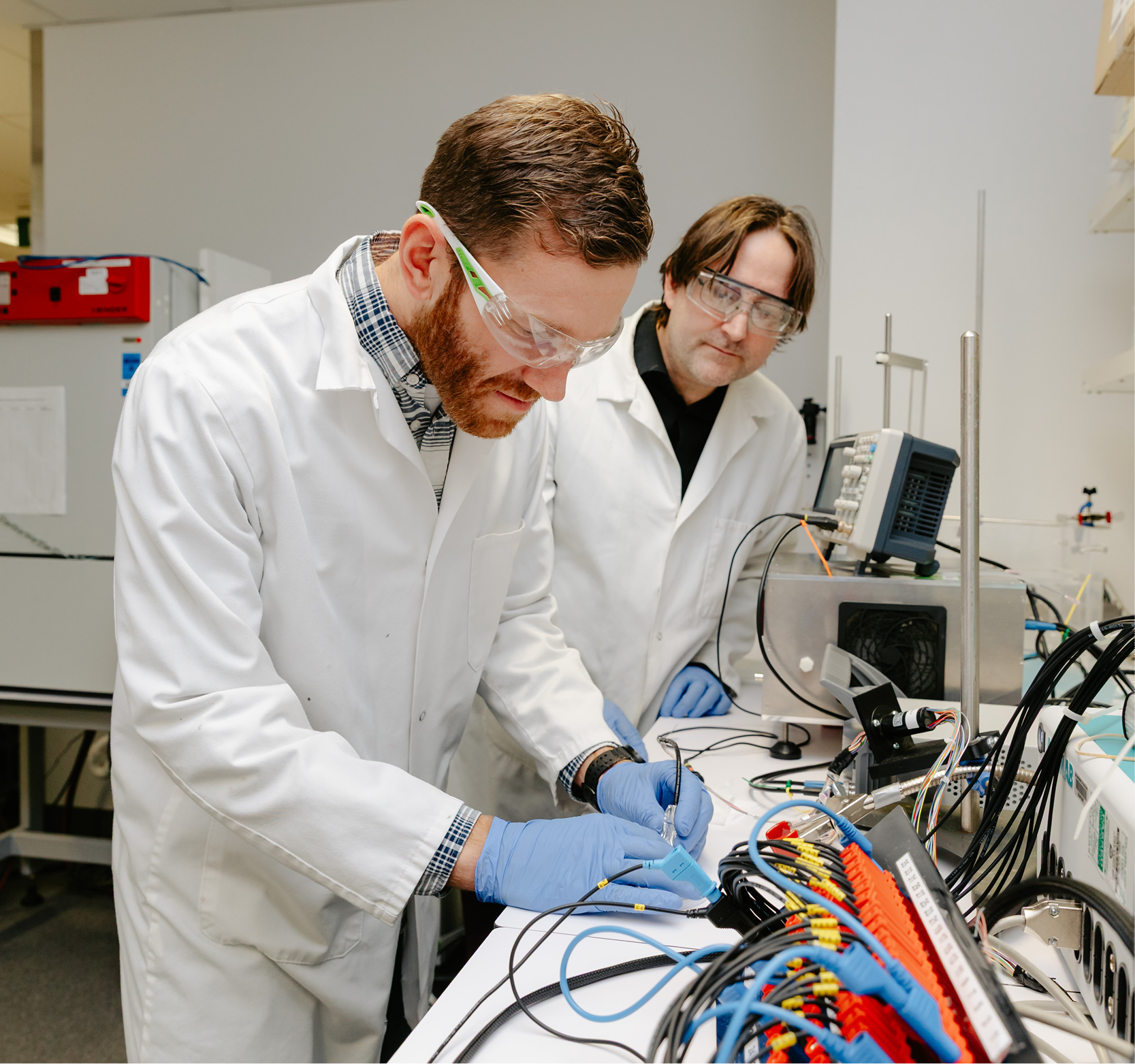
- Improved technology to deliver electrical stimulation. Battery-operated devices can now deliver continuous stimulation in freely programmable patterns, 24 hours a day, 7 days a week.
- Now able to test/verify stimulation delivery and implant function in vivo and reprogramme stimulation after implantation if needed. This lays the foundation to explore a much wider range of electric field treatment parameters.
- Progressed decoding of electrical activity from the spinal cord. Using Machine Learning Techniques (AI), we can identify the presence of an injury via spinal cord electrical signalling. By correlating recorded neural signals with movement, we can now identify components of spinal cord activity associated with walking, allowing us to track recovery. Together, this supports ongoing work developing tools to prognose outcomes in spinal cord injury.
Pharmaceutical Therapies
- Tested the effects of a small-molecule growth factor analogy in cell culture models of spinal cord injury. Together with newly developed drug release formulations, we are preparing to test this in an animal model.
- Tested drug formulation delivery system (fluorescently labelled hydrogel) in rats for several durations and shown that the hydrogel is still present four weeks after intrathecal delivery. This gives a powerful, sustained release platform that will be explored in future studies.
Ultrasound Therapies
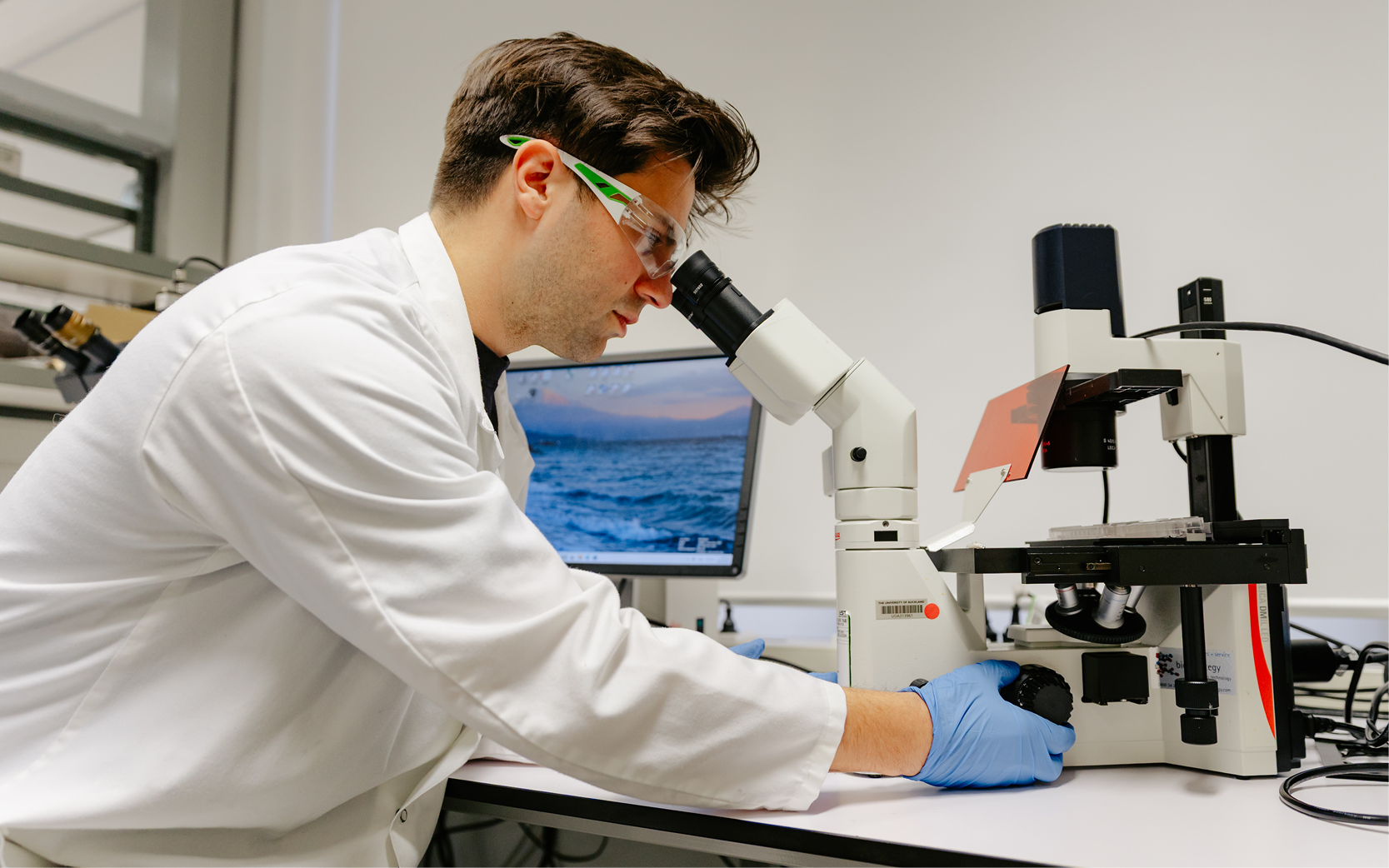
- Explored ultrasound on nerve healing in an in vitro, cell-based, stretch injury model. Identified that ultrasound application reduces swelling in these cells and may aid in long-term healing.
- Started exploring ultrasound’s application to animal models. Note, ultrasound waves are perturbed by vertebral bone but have identified routes to apply ultrasound to the spinal cord, bypassing the bone.
- Exploring if ultrasound will aid nerve healing in other in vitro cell models of spinal cord injury, including cells exposed to glutamate toxicity.
Cell-based Therapies
- Successfully established a focal demyelination rat model in which to test transplantation of human reprogrammed oligodendrocyte precursor cells.
- Human reprogrammed oligodendrocyte precursor cells were transplanted into a focal demyelination in the rat corpus callosum. Four weeks later, we have seen survival of the cells, evidence of migration away from the transplant site and excitingly, that a proportion of the transplanted cells have turned into myelinating oligodendrocytes.
- Now working towards a more prolonged transplant study in the demyelinated rat brain – beyond four weeks and including behavioural assessment.
- Can begin planning to take human reprogrammed oligodendrocyte precursor cells into the injured rat spinal cord.
Translational Neurobiology
- Identification of the most influential factors of physical rehabilitation activities in rodent studies of spinal cord injury.
- Changed standard treatment model to incorporate rehabilitation. By using larger cages with environmental enrichment objects, such as running wheels, animals can engage in physical rehabilitation while receiving electrical stimulation or other treatments.
- Initiation and completion of the first cohort of PENT study in partnership with Wings for Life, Salzberg.
Across the Cure Programme
- Continued development of in-vitro spinal cord injury models, working towards an integrated model to allow testing of drug and electric field treatments in isolation, and in combination, using both co-culture and slice culture techniques. This accelerates testing and has the potential to reduce the number of animal experiments required.
- Began collecting data evaluating bladder function in all animal models, expanding the scope of functional evaluations.
Progress Reports
Read about our research progress in more detail, with our six-monthly Cure Programme updates.