Stop telling me to try harder
“Stop telling me to try harder. Do you think I haven’t given it my all?”
Do you think I haven’t tried? Do you really think I could try any harder?
When I had my injury, I tried everything. I would have tried anything! Recovery was my sole focus.
It’s not that I haven’t tried hard. My injury simply isn’t the same as those people who have had success doing what they have done.”
Try harder shouldn’t be the response. We need to ‘see’ the injury to heal the injury
Sally’s injury is unique. Every spinal cord injury is. But doctors still don’t have the tools to fully understand which nerves are damaged and which may recover. Nor can they predict which treatment is most likely to help.
That’s why Dr Brad Raos’s research matters so much. He is ‘listening’ to the spinal cord. He’s monitoring the cord’s electrical biomarkers and decoding these signals. He’s working to create a ‘nerve map’ that is unique to the individual – unique to their injury – and unique to their healing.
This ‘electrical fingerprint’ will unlock spinal cord injury diagnosis and prognosis. It will open the door to personalised treatment and recovery.
With your support, this research would help give Sally the answers she deserves.
When an injury occurs, the initial treatment is pretty standard. Reduce inflammation (decompress the injury) and stabilise the spine (often with surgical implants – pins). Administer pain relief and run through the ASIA Scale.
The ASIA Scale is the tool used to diagnose spinal cord injury. It’s a pin-prick test. It takes over an hour. It’s uncomfortable. And it’s limited in the information it provides. Ultimately, it shows the effects of injury – paralysis or numbness. But it’s not enough to guide personalised treatment.
Don’t get me wrong, I’ve not given up. I will still try things that look relevant to me – but not all of them. It’s important to understand that my injury is unique to me and I still have my life to live.”
No one can be expected to try every therapy. We must work harder so we can direct treatment. We need to be specific about which nerves are damaged. And we need to ensure that nerve regeneration leads to real functional recovery. With a tool that visualises the injury, we can improve outcomes for everyone.
Sally is a wife, a Mum, an employee, and a mentor. She’s an active and engaged member of the community and an advocate for spinal injury support. She is living her best life.
Sally doesn’t want a list of possible things to try. She deserves a clear understanding of her injury and a clear guide to try to heal it. She needs specifics. We owe that to her and to everyone living with spinal cord injury.
Your donation supports world-leading research that is bringing a cure closer every day. We need your continued support. Please donate today.
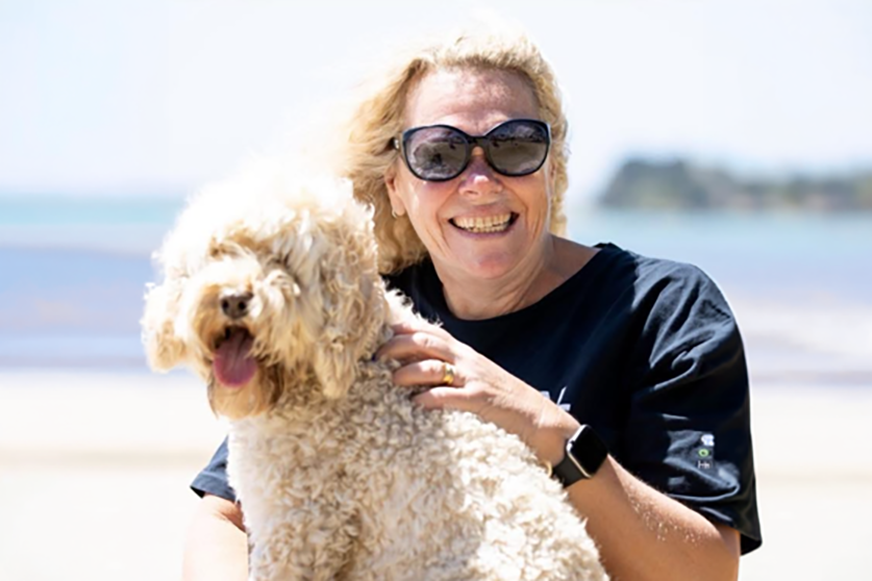
Sally and Toffee
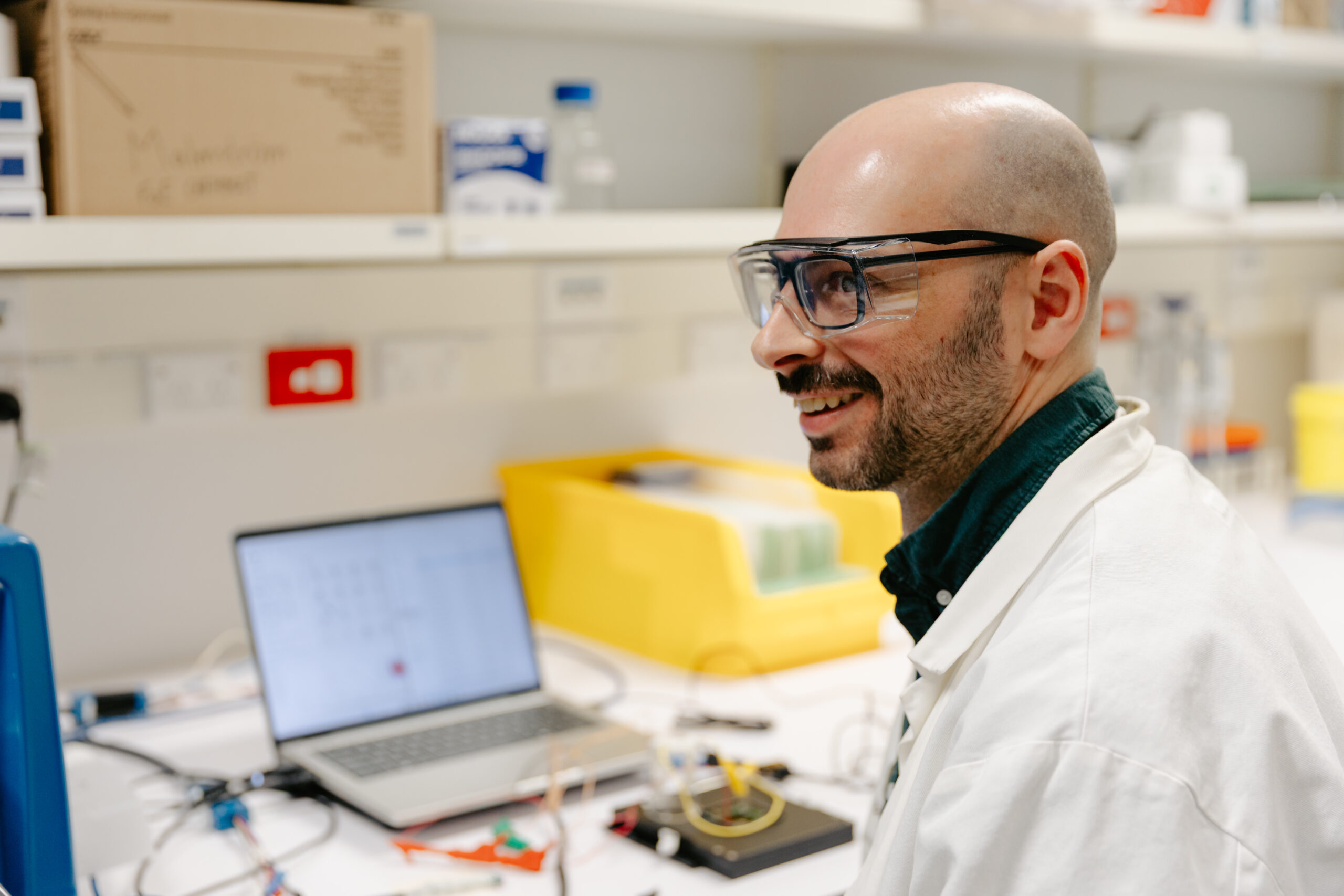
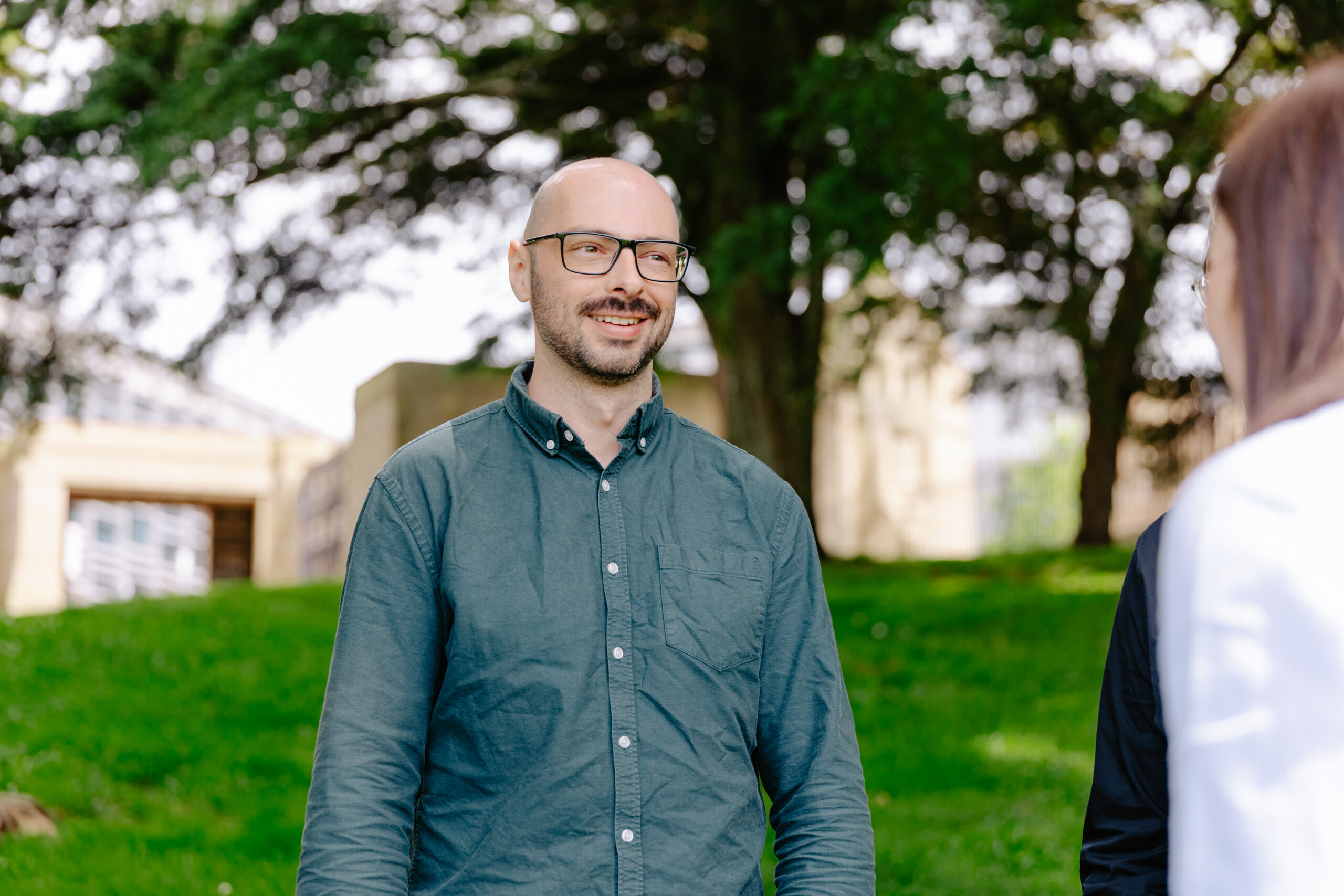
Dr Brad Raos, CatWalk Cure Programme Researcher
Make a difference, today.
Thank you.